
A storm rolls through the GTA, you find shingles in the yard or a fresh stain on the ceiling, and the first thought is “my insurance will cover the roof.” Sometimes it will. Often it will not, and the difference is the single most important thing to understand before you pick up the phone. Home insurance is built to cover sudden, accidental damage, a windstorm that tears shingles off, hail that bruises them in an afternoon. It is not built to replace a roof that simply wore out. If your roof was already at the end of its life and the storm was the last straw, an adjuster will usually call that age and wear, not storm damage, and the claim goes nowhere.
Here is the short version. Insurance covers the storm, not the calendar. A wind or hail event that damages a sound roof is generally claimable; gradual wear, age, and a slow leak from an old roof generally are not. Your policy sets the deadline to report a loss, and the wording usually requires prompt notice, sometimes described as “immediately” or “as soon as practicable,” so do not sit on it; report within a day or two of finding the damage. The strength of the claim then comes down to documentation: the date of the storm, photographs, and a professional roof inspection that ties the damage to that event. This article walks the process, and one note up front: this is general information, not insurance or legal advice, and your own policy is the final word, so read it or ask your broker about your specific coverage.
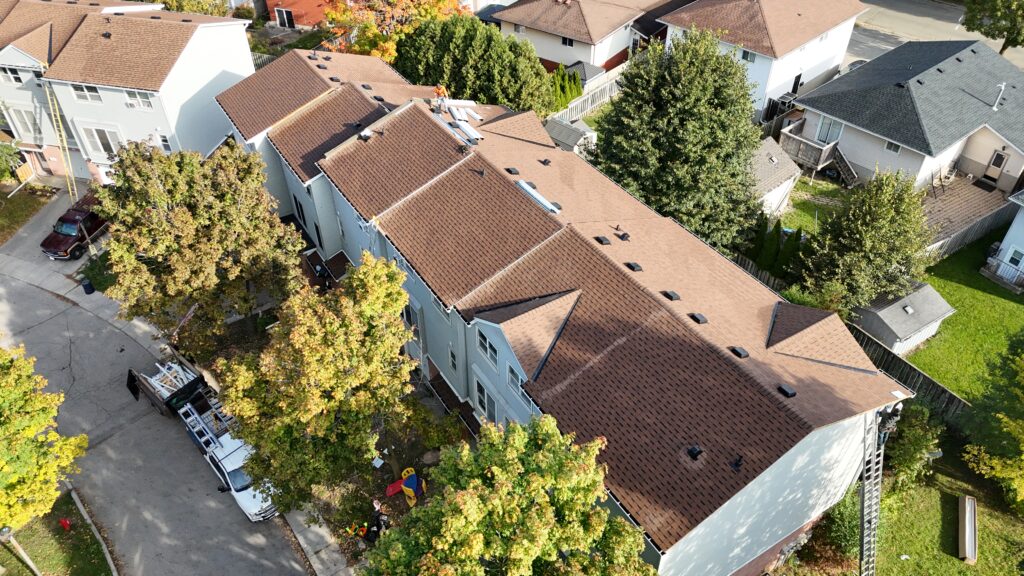
First steps after storm damage
The hours and days right after a storm decide how well your claim goes. Move in this order.
Safety first. Do not climb onto a storm-damaged roof, and stay clear of any downed power lines or sagging ceilings inside. If water is coming in, contain it, move belongings, and put a bucket under the drip, but leave the roof itself to a professional.
Document everything. Photograph the damage from the ground and inside the house, the shingles in the yard, the stain on the ceiling, any dented vents or gutters, and note the date and time of the storm. This timestamped evidence is what links the damage to a specific covered event, and it is the part most homeowners skip.
Get temporary protection in place. If the roof is open to the weather, a temporary tarp or emergency cover stops further water getting in. This matters for the claim as well as the house: most policies expect you to take reasonable steps to prevent further damage, and failing to do so can reduce what they pay.
Then get a roofer to inspect before the adjuster arrives. The point is not to have someone argue with the adjuster on the roof, which rarely helps; it is to have an independent, objective inspection report ready before the file is opened, so you know whether the damage is genuinely storm-related and worth claiming, and so your contractor can answer technical questions if the adjuster invites them on-site.
How to tell if your roof has claimable storm or hail damage
Not all roof damage is storm damage, and knowing the difference saves you from a denied claim. Storm damage from wind and hail tends to look like this:
Type | What it looks like |
|---|---|
Wind damage | Shingles lifted, creased, or torn off entirely; exposed underlayment or deck; debris impact; lifted flashing |
Hail damage | Round bruises or dents in the shingle surface, often with granules knocked loose; dents in soft metal vents, flashing, and gutters as corroborating evidence |
Resulting water damage | Fresh interior stains, wet insulation, or leaks that appeared after the storm, not before |
What is not storm damage, and what an adjuster will treat as wear, includes shingles that are simply curled, brittle, and worn across the whole roof, granule loss from age, and leaks that predate the storm. The dents in your metal vents and gutters matter here, because they are hard for an adjuster to attribute to anything but hail, which is why a good inspection documents them as corroborating evidence rather than focusing only on the shingles.
Filing the claim: the process in Ontario
The steps are straightforward; doing them in the right order and on time is what matters.
First, confirm it is worth claiming. A professional inspection tells you whether the damage is storm-related and significant enough to clear your deductible, because a claim below your deductible costs you the deductible and a claim on your record for nothing.
Second, report it promptly. Your policy sets the reporting deadline, and the wording typically requires prompt notice of a loss rather than a fixed number of months, so notify your insurer within a day or two of discovering the damage. Reporting late, or sitting on it for weeks, is one of the easiest ways for a claim to be reduced or denied, so the safe move is to report as soon as you have documented the damage.
Third, the insurer assigns an adjuster who inspects the roof and writes their own assessment of the damage and the scope of repair or replacement. This is the pivotal step, and it is where having your own documentation and a roofer present is worth the most.
Fourth, the claim is approved, partially approved, or denied. A common outcome worth knowing about: if only one slope of the roof is damaged, an insurer may approve repairing or replacing that slope rather than the whole roof, even when matching the new shingles to the old becomes a problem. Understanding that in advance keeps the negotiation realistic.
Fifth, once the scope is agreed, the work is done and the insurer pays according to your policy, typically your repair or replacement cost less your deductible, and subject to whether your policy pays replacement cost or depreciated value.
How a roofing contractor supports your claim
This is where a roofer earns their keep on a storm claim, and it is mostly documentation.
A roofer’s storm inspection produces the evidence an adjuster needs: dated photographs, a written report that identifies the damage as wind or hail rather than wear, the corroborating dents on vents and gutters, and a clear scope of the repair or replacement with the materials specified. When the homeowner’s documentation and the roofer’s report line up, the adjuster has far less room to attribute the damage to age. A contractor who is on the roof at the same time as the adjuster can also point to damage that is easy to miss from the ground.
What a roofer does not do is decide your coverage; that is between you and your insurer. But the difference between a claim that is approved at the right scope and one that is reduced or denied is very often the quality of the documentation behind it, and that is squarely the contractor’s job. As a GAF Certified contractor working across Markham, Toronto, and the GTA, YS Roofing documents storm damage to a consistent professional standard, identifying wind and hail damage against recognized industry criteria rather than guesswork, which is exactly the kind of clear, defensible evidence an adjuster can work from.
Common reasons roof claims get denied, and how to avoid them
Most denials come down to a short list, and most are avoidable.
The damage is wear, not storm. The most common denial is an adjuster ruling that the roof was already worn out, so the storm did not cause a sound roof to fail. The defence is documentation that the roof was in serviceable condition and the damage matches the storm.
The claim was reported too late. Waiting weeks lets the insurer argue the damage could have come from a later event or worsened through neglect. Report within a day or two.
Further damage from inaction. If you did not tarp an open roof and water kept coming in, the insurer may not pay for the damage you could have prevented.
A pre-existing leak. A roof that was already leaking before the storm is hard to claim, because the insurer will treat it as a maintenance issue you knew about.
Maintenance and exclusions. Some policies limit or exclude older roofs, or pay only depreciated value on an aged roof. This is in your policy wording, which is the single best thing to read before you file.
FAQ
Does home insurance cover roof replacement?
It covers replacement when a sudden, insured event, such as a wind or hail storm, damages a roof that was otherwise sound, and the damage is severe enough to need replacement rather than repair. It generally does not cover replacing a roof that has simply aged out or worn down, because that is considered maintenance, not a covered loss. Your policy wording and the cause of the damage decide it.
How do I claim storm damage on my roof?
Document the damage and the storm date, get temporary protection in place if the roof is open, have a professional roof inspection done to confirm and record storm damage, then report the claim to your insurer promptly. An adjuster will assess the roof, and once the scope is agreed the work proceeds and the insurer pays per your policy, less your deductible.
Will insurance cover a roof leak?
It depends on the cause. A leak that results from sudden storm damage to a sound roof is usually covered. A leak caused by an old, worn roof, by a long-standing problem, or by lack of maintenance is usually not, because insurers treat gradual wear and pre-existing issues as the homeowner’s responsibility. The key question an adjuster asks is whether the leak came from a covered event or from age.
How long do I have to file a roof claim?
Your insurance policy sets the deadline, and the wording usually requires you to report a loss promptly, often described as “immediately” or “as soon as practicable,” rather than giving a fixed number of months. The safe approach is to report within a day or two of discovering the damage and to read your policy’s notice-of-loss condition for the exact requirement. Reporting promptly strengthens the claim; waiting weakens it and can be grounds for denial.
Will filing a roof claim raise my insurance?
A claim can become part of your claims history and may factor into your renewal, which is one reason it is worth confirming, before you file, that the damage is genuinely storm-related and significant enough to clear your deductible. An inspection first tells you whether you have a real storm claim or a problem insurance was never going to cover, so you are not opening a file for nothing. Your insurer or broker is the right source for how a claim would affect your specific policy.
Storm damage on your roof? What happens next
Book a free storm damage inspection. We get on the roof safely, document wind or hail damage, and tell you honestly whether it is storm-related and worth claiming.
You get a dated written report with photographs and a clear scope, the documentation an adjuster needs, so your claim is built on evidence rather than a guess.
If the roof needs emergency protection in the meantime, we can get a temporary cover in place to stop further damage.
When the claim is settled, you have a clear, written scope to do the work to, with no surprises after the old roof comes off.
If a storm has hit your roof, the first move is to get it looked at while the evidence is fresh: book a storm damage inspection or read what a full roof inspection covers. If the damage points to replacement, here is the full picture on roof replacement across the GTA. Act while the storm date is recent and the damage is documented, because on a storm claim, timing and evidence are everything.

YS Roofing
Trusted roofing services provider
YS Roofing is a trusted, GAF Certified™ Residential Roofing Contractor with over 15 years of industry experience serving the Greater Toronto Area. Specializing in comprehensive roof replacements, expert repairs, and structural protection, the company is built on a foundation of premium craftsmanship, high-quality materials, and exceptional customer service.